|
GlassWool & RockWoolBuilding Insulation using Material :B. RockwoolIn today's advanced construction world, materials used for insulation tend to be needed in buildings for acoustics, heat insulation, etc. It forms part of the increased comfort in the exterior, interior, and decoration.
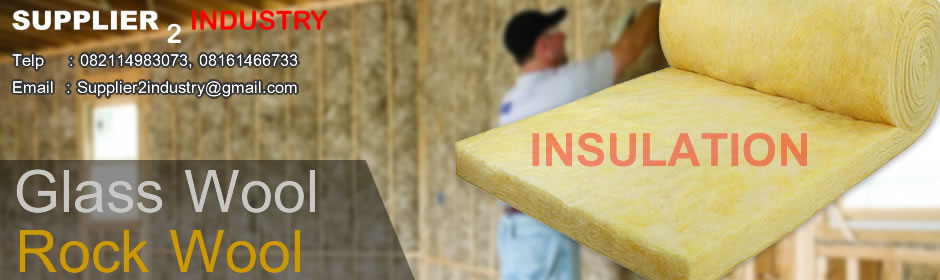
A. GlasswoolGlass wool is one of the insulating materials that can be used for various applications at home, be it part of the roof, ceiling, or walls.
.jpg) Glasswool is a fine glass fiber interwoven in a wool mass, used in filters and as insulation.
Prices and kinds of Glasswool sizeOur Fiberglass Glasswool is available in a variety of Density (D), length (L), and thickness (T).
What is Glasswool ? Glass wool is an insulating material made of melted glass as a raw material. Manufactured from borosilicate glass with significant admixtures such as silica sand, recycled glass and bonding agents. According to 'Haimei Zhang' (Editor of Building materials in civil engineering), 'Glass wool is a fibrous material made from melted glass or cullet as raw material. This material is available in two categories: loose wool and prime wool. Loose glasswool is used to make asphalt bonded glass blankets and glass wool boards. In addition, this material is also used to retain heat in the construction sector which can protect the exterior of buildings and pipelines
The making of Glasswool processGlasswool is made from a thick layer of glass fiber which is oven-processed at 200°C to bind the strands of yarn together and thereby reduce sheet thickness. No CFC or HCFC ingredients are developed in the production process. The fiber is collected in the form of woven mats in a collection chamber and then transferred to an oven where it is processed under controlled conditions to the desired thickness and density. Characteristics of glasswool materialGlasswool material has special characteristics as a building material, which are as follows :
Glasswool in building application
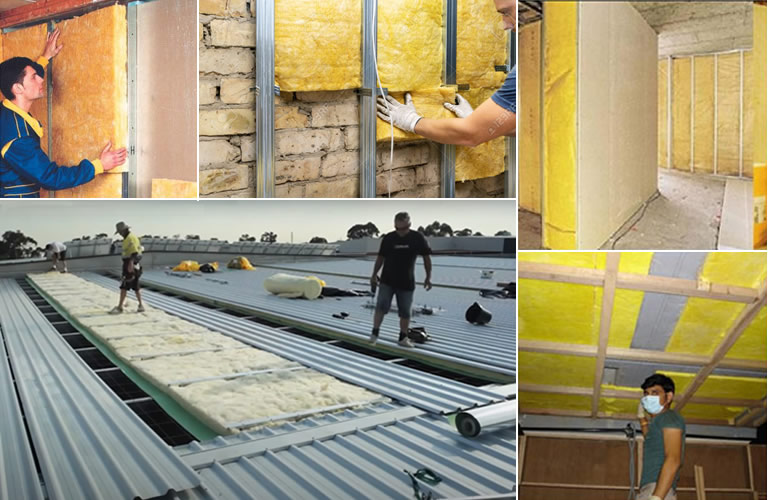
Glass wool applications are used for structural insulation, pipe insulation, filtration and soundproofing. This material is manufactured to protect interior products and is applied in various areas of the building. In addition, Glass wool is the most common source of insulation in the ceilings of residential buildings, and also has the following applications : 01. Filling Wall Cavities and Drywall InsulationThis material was developed for insulation in steel frame structures, timber frame buildings and drywall systems. Glasswool is made using high quality glass wool and the glass mesh is faced on one side for ease of handling, and increased rigidity. 02. Pipe InsulationThis insulation is a preformed, rigid, resin bonded glass wool section of 1 meter long. The single longitudinal slit allows the open section to surround the pipe and close after placement. Standard finish options with canvas, plain and reinforced foil. 03. More Than Purlin Insulation in Commercial BuildingsFactory board is a rigid board made of non-combustible glass wool insulation. This material is generally used as a multi-purpose wall cladding and purlin roof insulation. This material is available in thicknesses of 25, 40 or 50mm. 04. Ceiling/Hunged CeilingCeiling tiles are manufactured from non-combustible inorganic glass wool and bonded with an inert thermoset resin binder. Facing decorative vinyl for a long lasting result. 05. Industrial Roof InsulationGlasswool has been made from a high quality, non-flammable flexible material. Glass wool insulation with an inert binder makes this product light, safe and tough. The application is facing one side with a reinforced foil or white metalized foil. This material is applied on both sides upon request. 06. High Temperature InsulationGlasswool is made from non-combustible glass wool, bonded with an inert thermosetting resin to form a tough and tough product. This material is odorless, inert and fully compatible with all standard building materials. 07. High Performance and Sound ProofingThe panels on the ceiling or ceiling are made of non-combustible inorganic glass wool and glued with an inert thermoset resin binder. Floor, surface with black non-woven glass grid for absorption of reverberating sound. ConclsionIn conclusion, glass wool is an insulating material that has varied applications in homes as part of roofs, ceilings, drywalls, home theaters, etc. This material is widely used for its great benefits in insulation, fire safety and ease of installation.
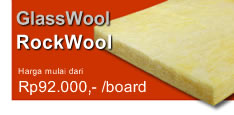
B. RockwoolRockwool is made of rock, generally a combination of basalt, limestone, and coal, which is heated to a temperature of 1,600 degrees Celsius so that it melts into lava, in this melting state, the rock is centrifuged to form fibers. After cooling, this collection of fibers is cut to the size that suits your needs.
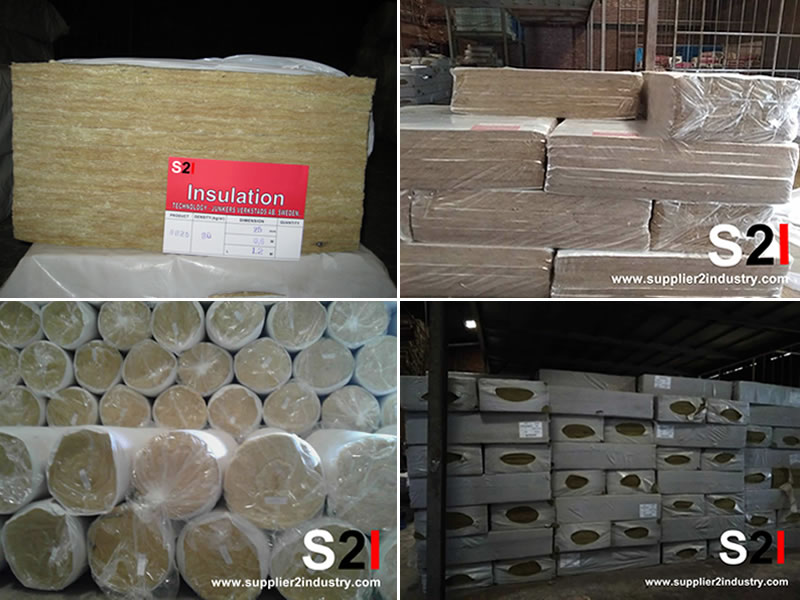
The use of Rockwool is almost the same as Glasswool, only Rockwool has a higher density than Glasswool, the lowest Rockwool density starts from 60 kg/m3 Price and kind of Rockwool Size
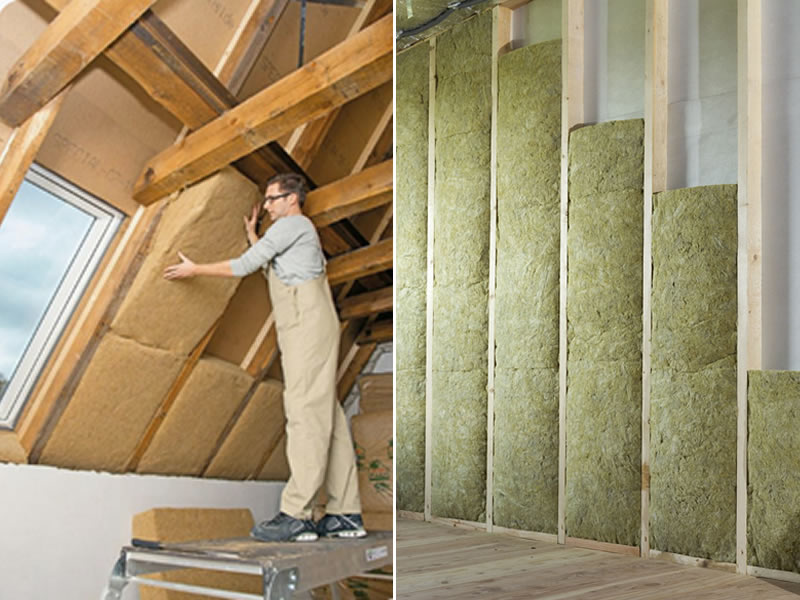
The use of Rockwool is almost the same as Glasswool for heat insulation of building walls, refrigerator heat / cold insulation and roof heat insulation, often rockwool is also used as a hydroponic planting medium that is able to absorb a lot of liquid fertilizer as well as air that helps root growth in nutrient absorption, starting from from the nursery stage to the production phase. The advantages of using rockwool as a planting medium are::
|
Products
_____________________